
The problem
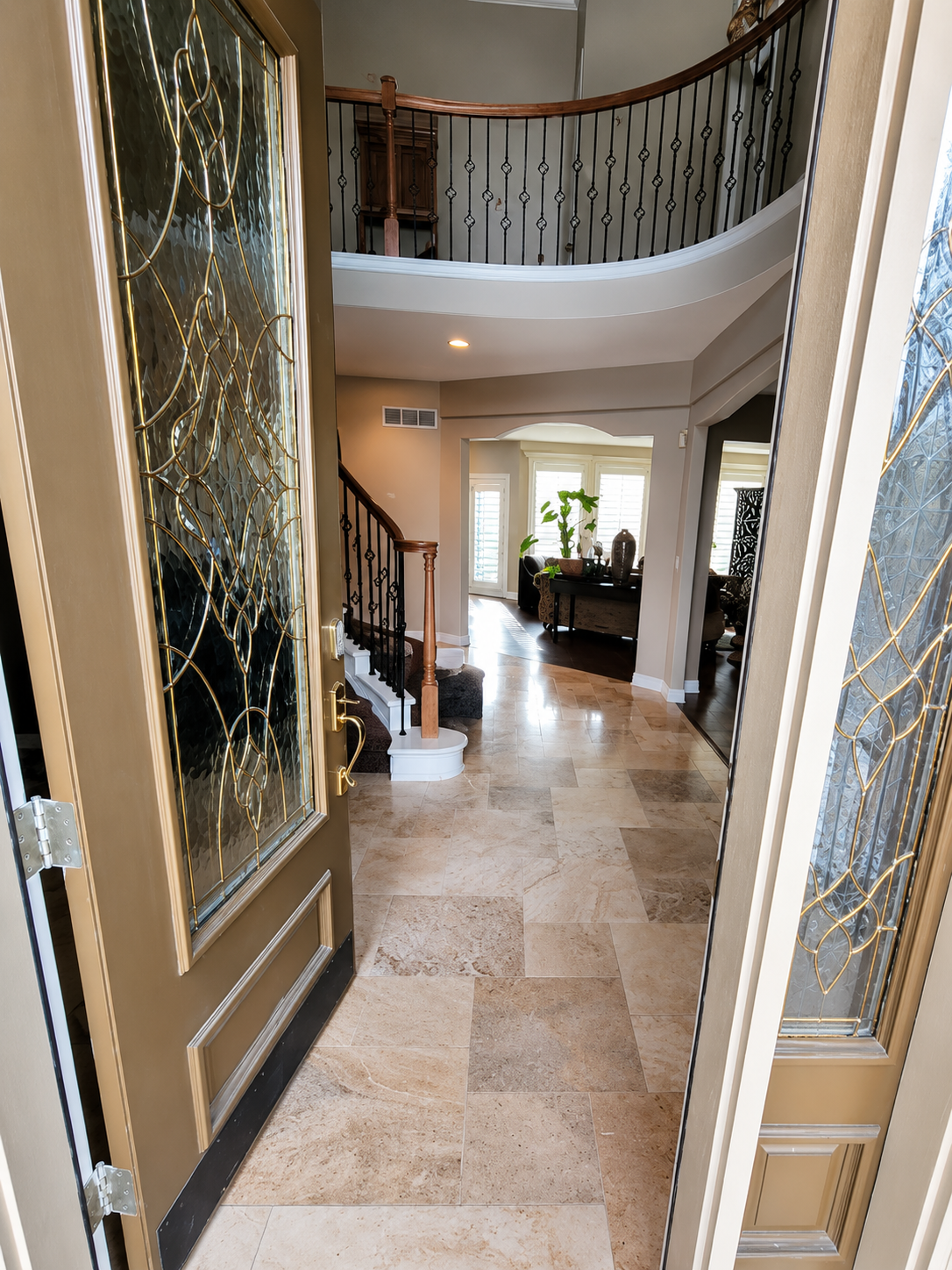
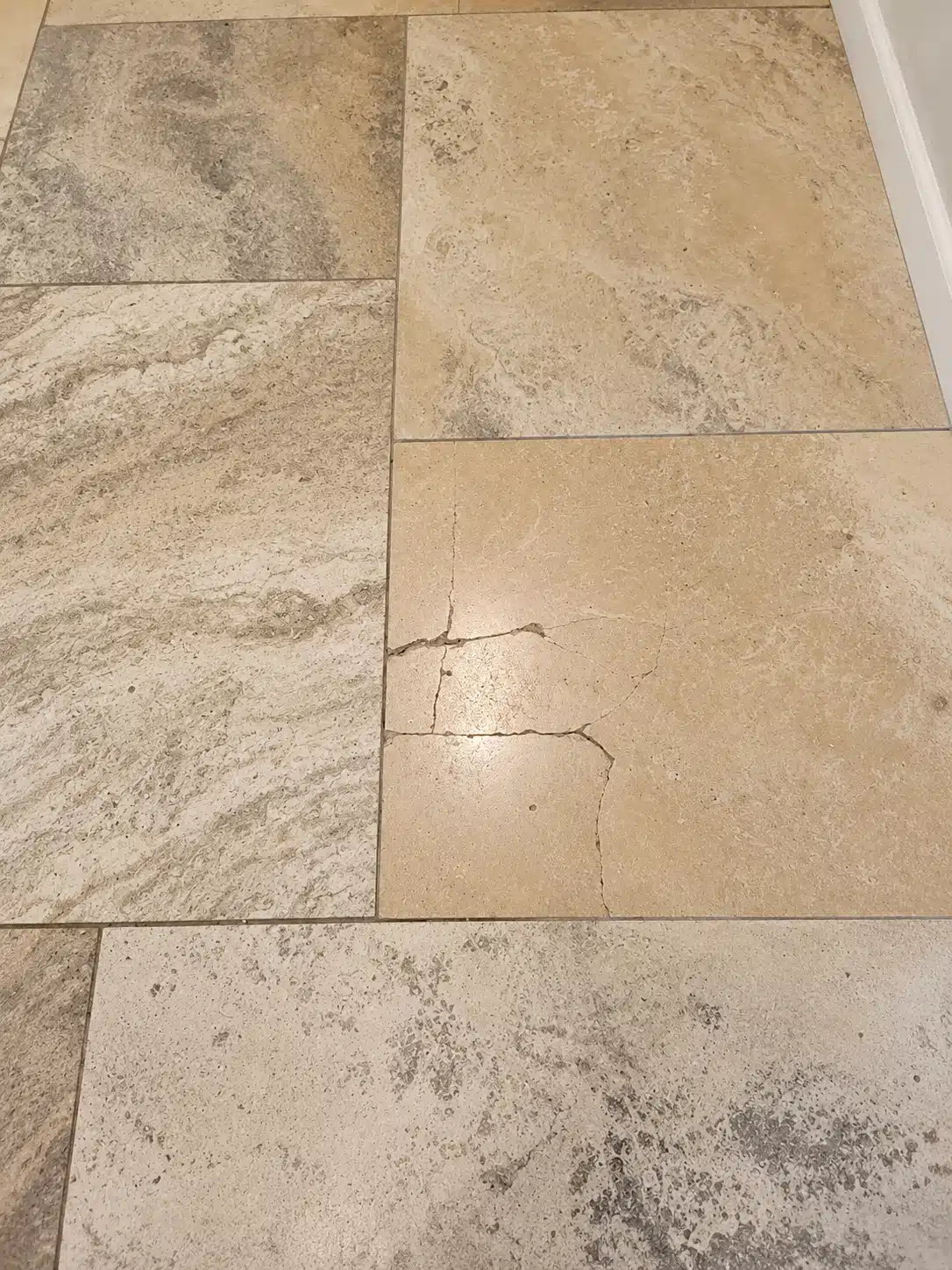
The homeowners at The National had a travertine entry that kept failing. The stone was shattering and the grout joints were cracking. Replacing broken pieces would not have fixed it, because the tile was not the real problem.
What we found
The floor under it was too spongy. Travertine is a soft stone, and a soft stone on a soft floor will crack every time the floor moves. The fix had to start underneath.
How we fixed it
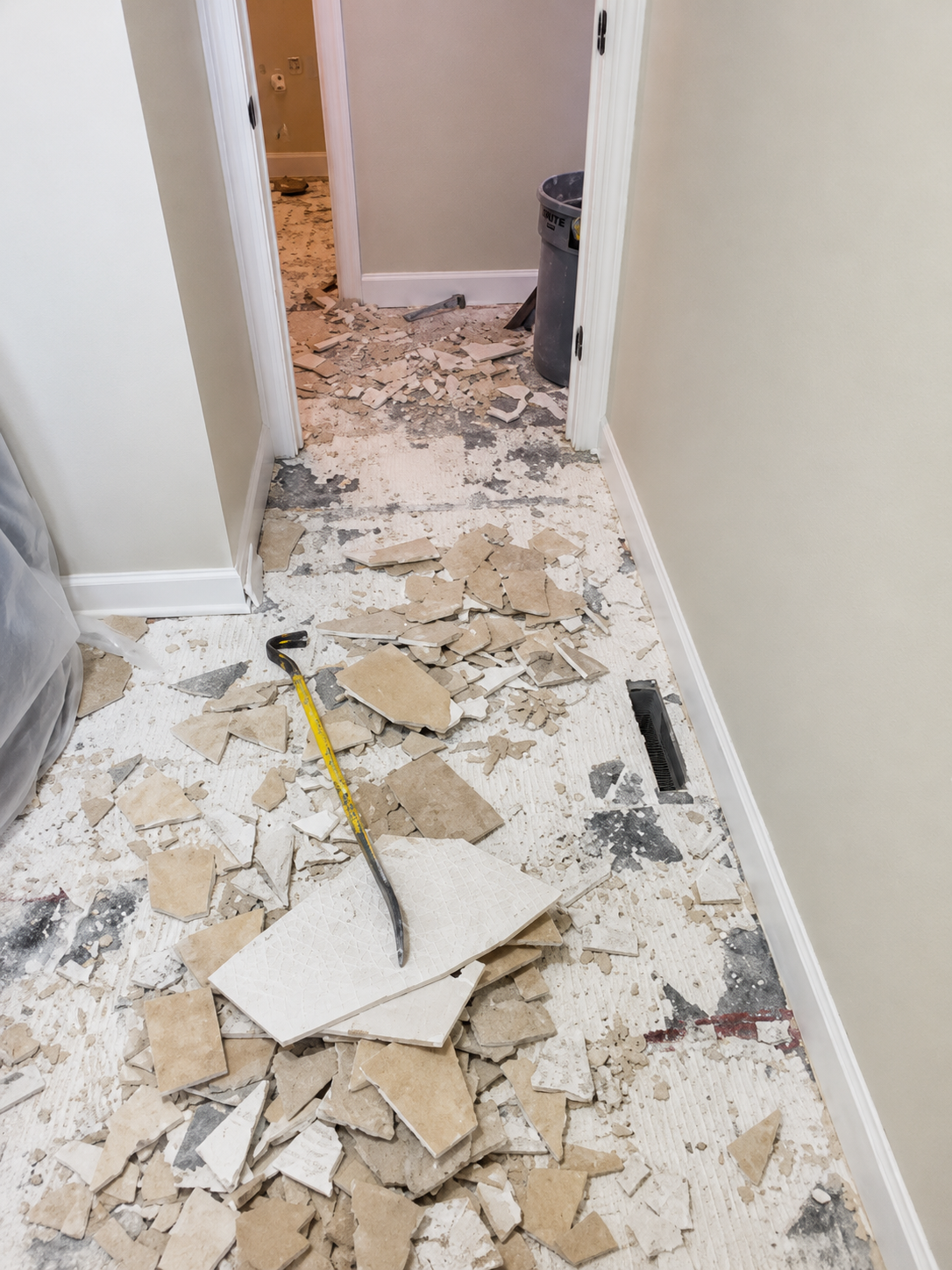
- Pulled up the flooring, the subfloor and the sleepers.
- Replaced the sleepers.
- Laid new 3/4″ plywood in place of the original 1/2″, so the floor stays stiff.
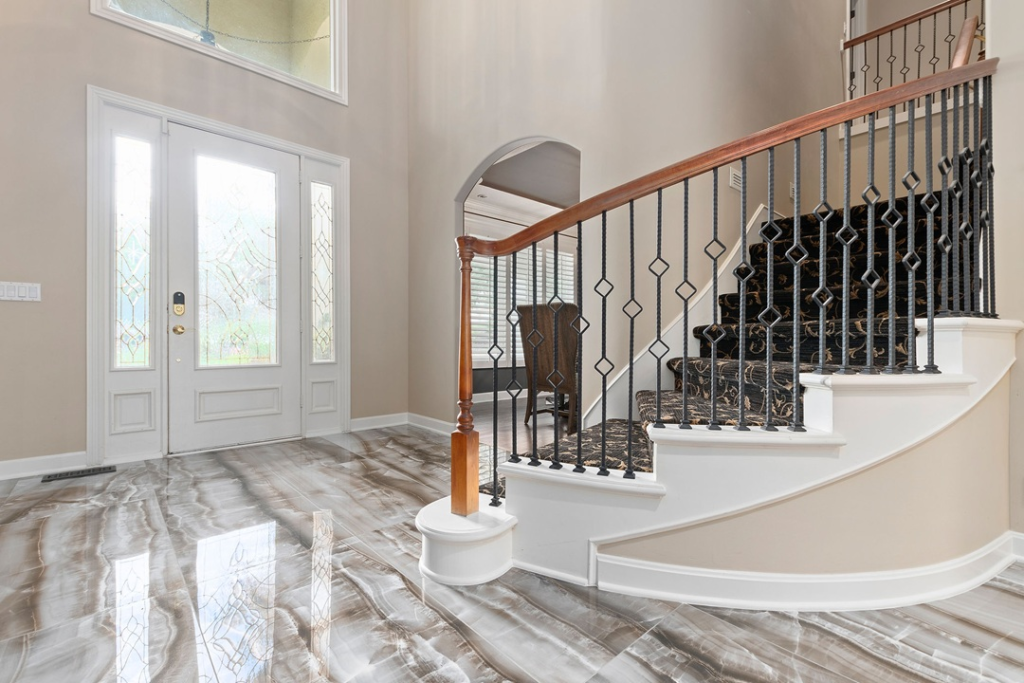
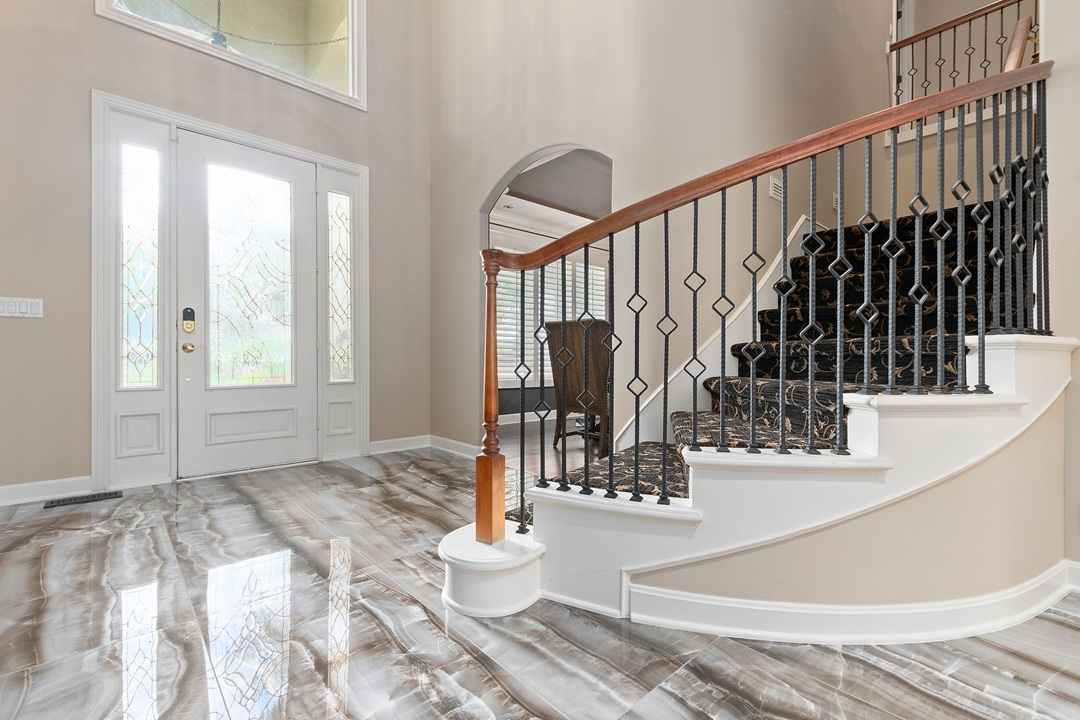
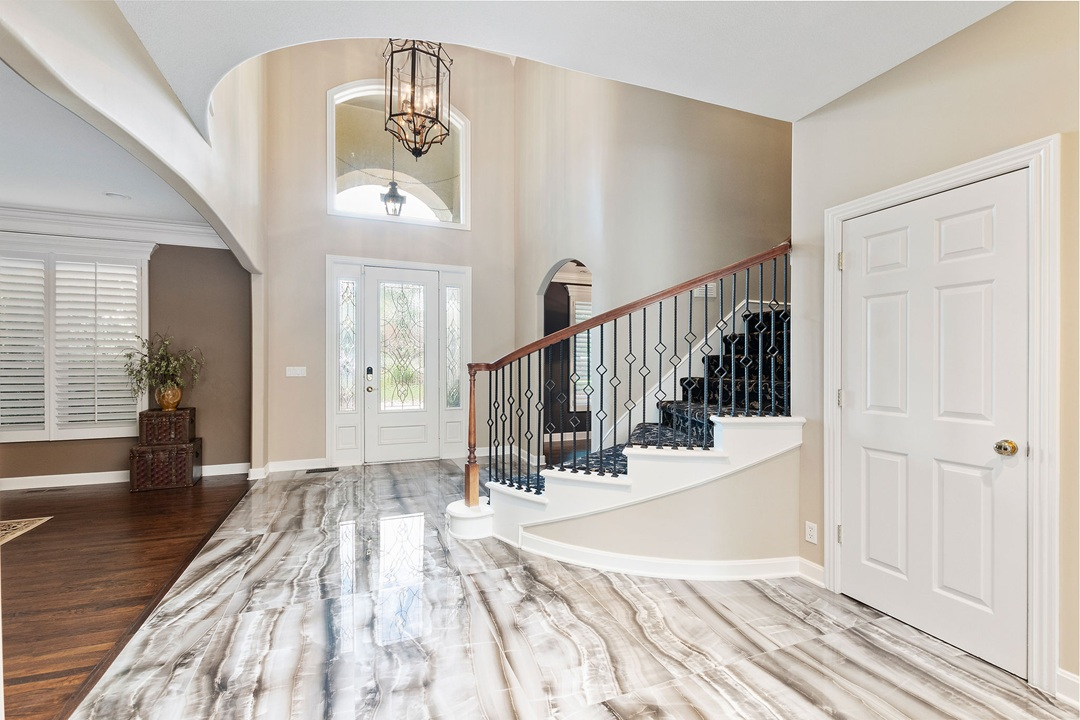
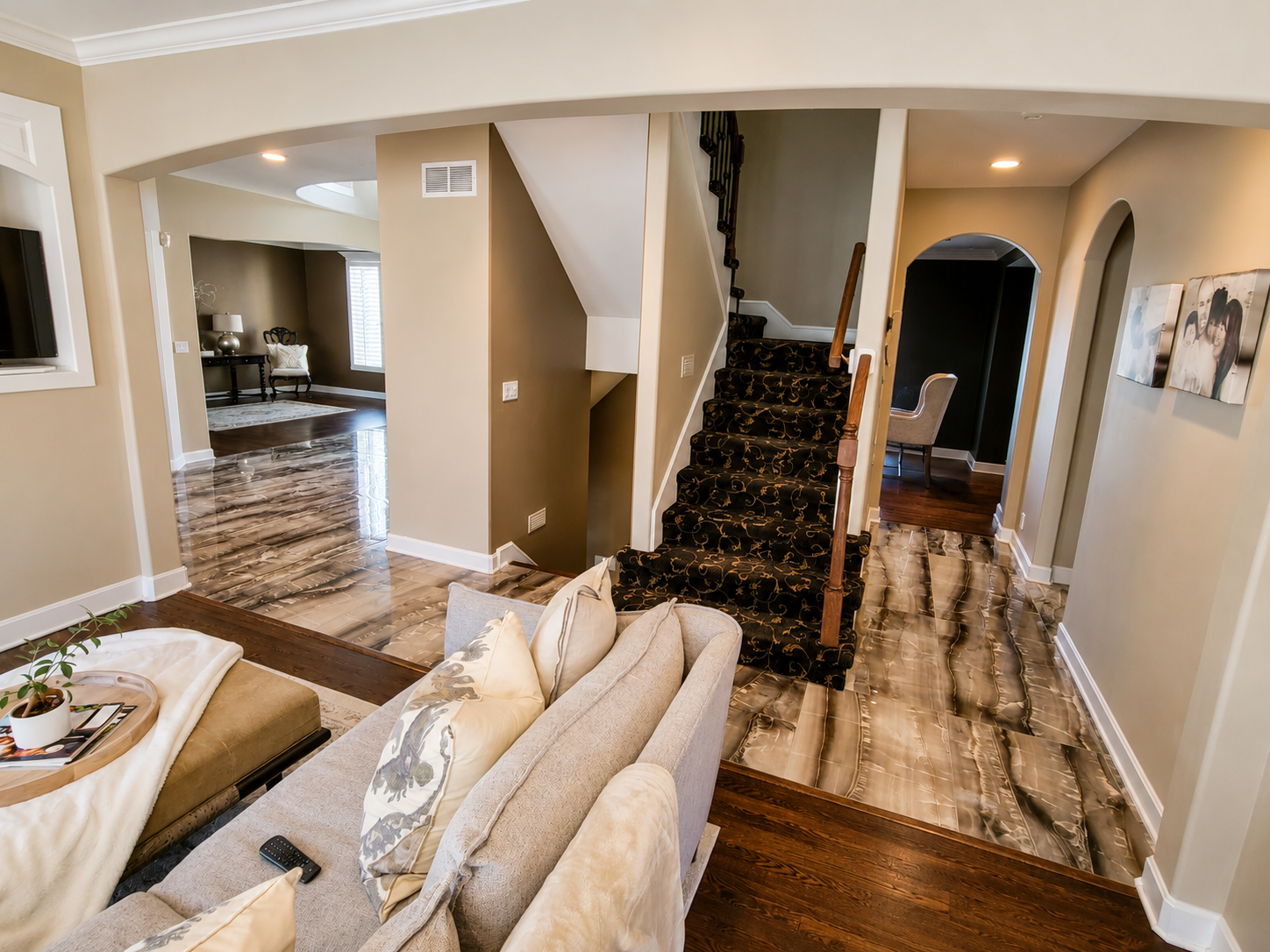
- Finished with 2′ × 4′ high-polish porcelain running from the entry through the house, out to the garage, past the laundry room and the powder room.
The takeaway
Cracked tile and grout are usually a symptom. If the floor underneath flexes, new tile will crack the same way. Fix the structure first, and the finish lasts.
Seeing cracked tile or grout in your home? Talk to Trends before you replace it.